Érdekes számodra ez a megoldásunk?
Tedd meg a következő lépést. Foglalj egy ingyenes konzultációt, és találjuk meg a cégednek legjobb megoldást.
A manuális megrendelési ciklus: ahol az idő és a pénz eltűnik
Kövesd végig egyetlen megrendelés útját egy tipikus papírfüggő cégen:
Megrendelés beérkezik: Az ügyfél emailben vagy telefonon rendel. Egy adminisztrátor kinyomtatja és bevezeti a rendszerbe. Idő: 15-30 perc. Hibakockázat: magas. Egy félregépelt mennyiség, és a raktár 100-at szállít 10 helyett — de senki nem veszi észre, amíg az ügyfél fel nem hív dühösen, hogy miért csordultig a raktára.
Készlet-ellenőrzés: Valaki megnézi a tegnap frissített Excel táblázatot, majd lemegy a raktárba fizikailag ellenőrizni. Idő: 20-45 perc. Az Excel szerint 50 darab van. A polcon 12. Három megrendelés fog nem létező készletre ígérni.
Teljesítés: Nyomtatott komissiózási lista készül. Az árukat összegyűjtik. Szállítólevél kézzel generálva. Nincs követés a raktár és a kézbesítés között — a megrendelés egy irattartóban létezik, amíg valaki napokkal később szóban vissza nem igazolja.
Számlázás: A pénzügy manuálisan keresztellenőrzi a megrendelést, szállítólevelet és esetleges módosításokat. A számla kézzel készül és kerül kiküldésre. Hibaarány: 5-10%. Minden hibás számla = egy telefonhívás, egy jóváírás, egy újbóli kiállítás, és egy ügyfél, aki megkérdőjelezi a professzionalizmust.
Mi változik, ha a megrendelési pipeline digitális lesz?
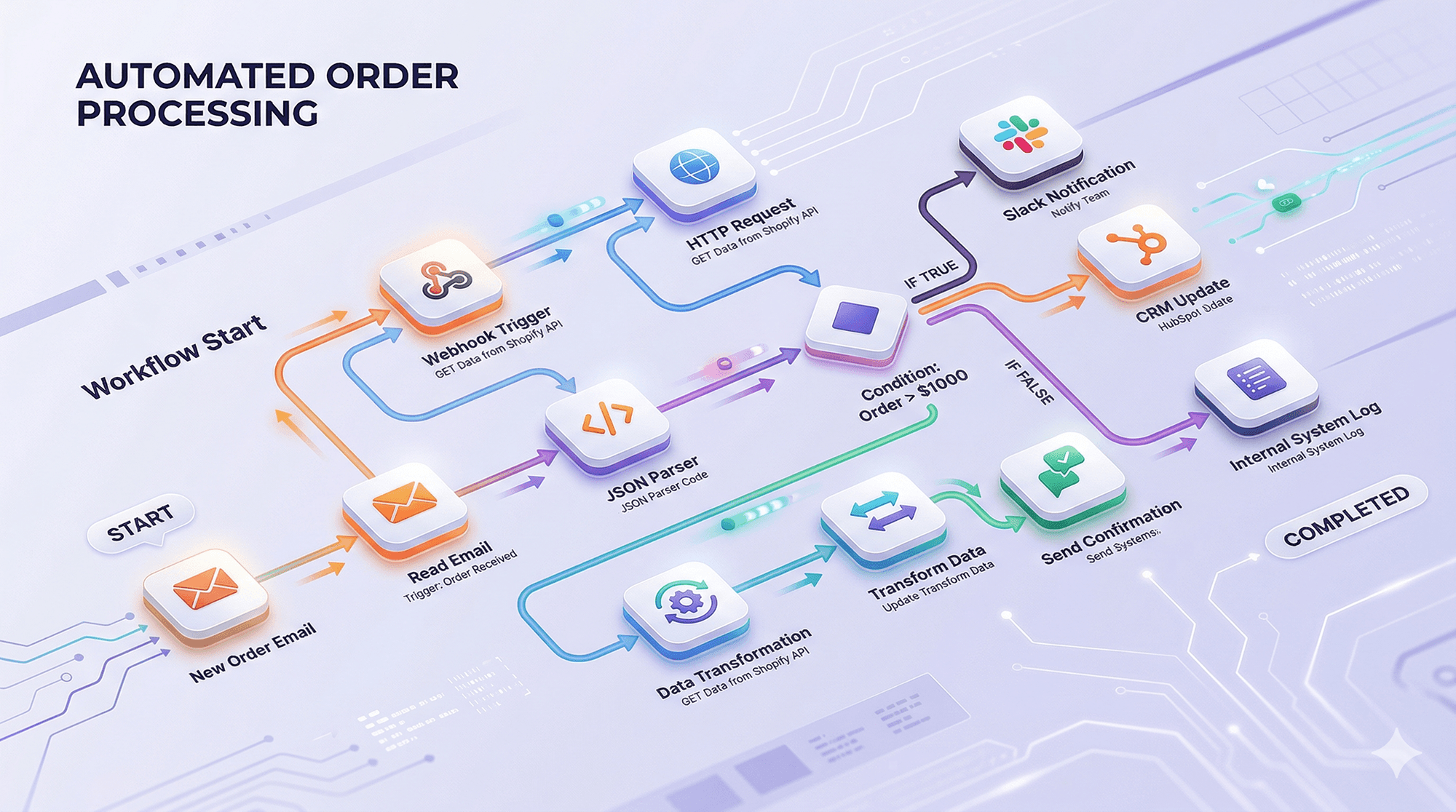
A megrendelések digitálisan kerülnek be, validálási szabályokkal, amelyek a hibát azelőtt fogják el, mielőtt továbbterjed. A rossz-mennyiség problémát a rendszer jelzi, mielőtt a raktár egyáltalán meglátná.
A készlet valós időben frissül minden tranzakcióval. Pontosan tudod, mid van, hol van és mikor kell újrarendelni — a raktárba sétálás és a tegnapi táblázat bizgatása nélkül.
A számlák automatikusan generálódnak a visszaigazolt szállításokból. Minden tétel, mennyiség és árazás a megrendelési rekordból származik. Nincs kézi keresztellenőrzés, nincs elgépelés, nincsenek jóváírások.
Minden megrendelés, szállítólevél és számla digitálisan tárolva, teljes keresőképességgel. Egy 6 hónappal ezelőtti dokumentum megtalálása 5 másodperc, nem 45 perc az irattartóban.
A CommIT Digitális Megrendelési Pipeline
A polcról levett ERP rendszerek végponttól végpontig megrendeléskezelést ígérnek, de arra kényszerítenek, hogy változtasd meg a munkamódszered, hogy az ő munkafolyamatukhoz illeszkedj. A mi megközelítésünk ennek a fordítottja: először megértjük a tényleges megrendelési ciklusodat, aztán építünk vagy konfigurálunk digitális rendszereket, amelyek a te folyamatodhoz illeszkednek — nem fordítva.
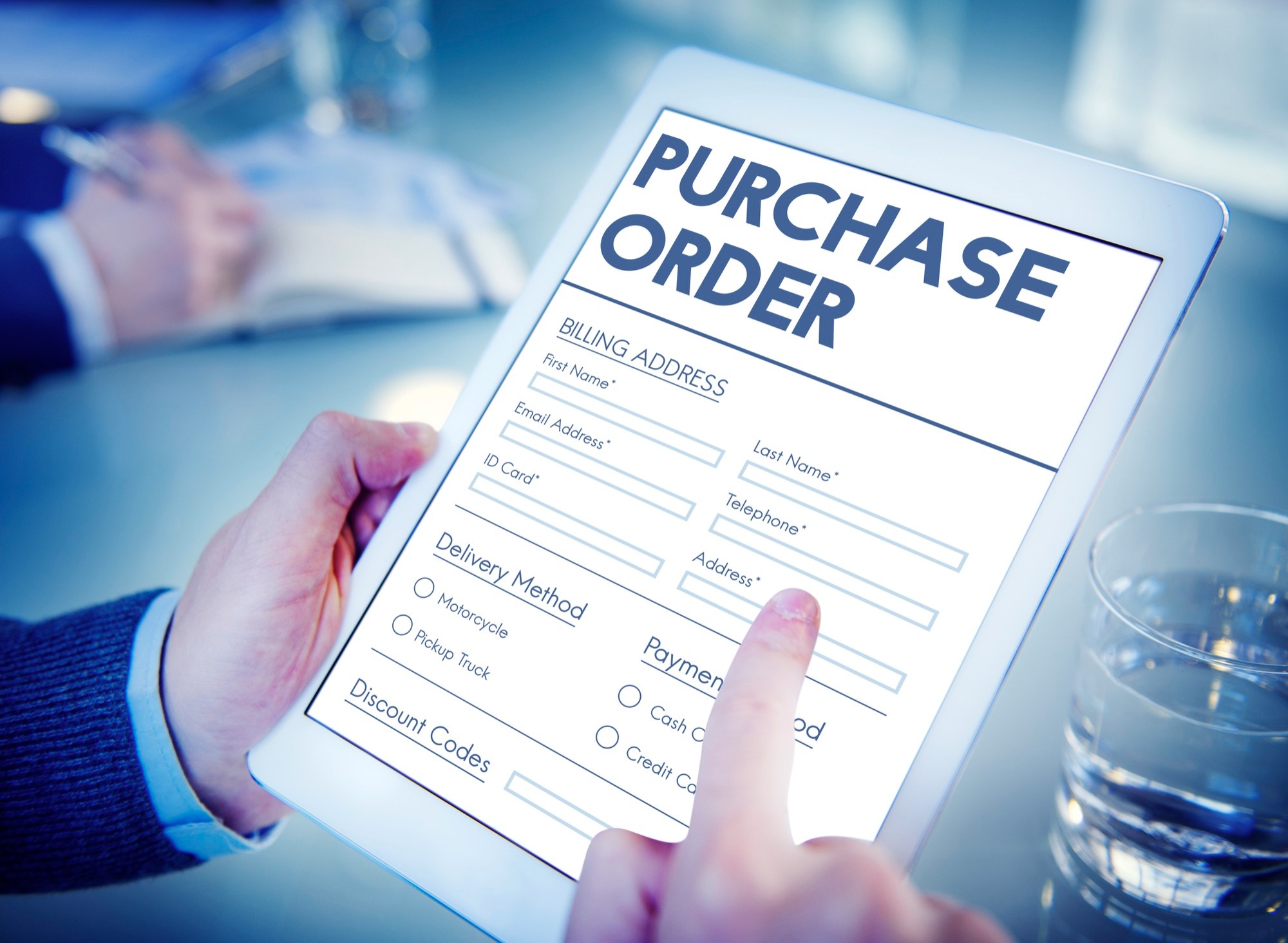
Digitális megrendelés-felvétel: Megrendelések digitális űrlapon, ügyfélportálon vagy email-parsinggal — automatikusan bevezetődnek a rendszerbe, validálási szabályokkal, amelyek a hibát azelőtt fogják el, hogy továbbterjed.
Valós idejű készlet: Élő készletkövetés, ami a megrendelési és teljesítési folyamathoz kapcsolódik. A készletszintek minden tranzakcióval frissülnek. Újrarendelési riasztások küszöbszabályok alapján.
Automatizált számlázás: Számlák automatikusan generálva a visszaigazolt szállításokból. Nincs kézi keresztellenőrzés, nincs újragépelés.
Digitális archívum: Minden dokumentum digitálisan tárolva, teljes keresőképességgel, automatikusan megőrzött audit nyommal.
Eredmények a gyakorlatban
A helyzet: Egy nagykereskedelmi disztribútor havi 300+ megrendelést dolgoz fel. A megrendelések emailben és telefonon érkeznek. A készlet Excelben. A számlázás egy teljes munkaidős alkalmazottat igényel heti 4 napot.
Előtte: Megrendelés-feldolgozás: 3+ óra darabonként. Számlázási hibaarány: 8%. Heti készlethiány a népszerű tételeknél. Folyamatos ügyfélpanaszok.
Utána: A digitális felvétel 15 percre csökkenti a feldolgozást. A valós idejű készlet a hiány 90%-át megszünteti. Az automatikus számlázás felszabadítja a pénzügyes kollégát. Pontosság: 99,5%.
Miért a CommIT Smart?
Egyedi digitális megoldásokat építünk analógról digitálisra váltó szervezeteknek. Digitalizációs audit módszertanunk biztosítja, hogy a tényleges munkafolyamatot értjük meg, mielőtt bármit építenénk — így a digitális rendszer a cégedhez illeszkedik, nem fordítva. Tapasztalat gyártó, nagykereskedelmi és építőipari megrendelési ciklusokban.