Érdekes számodra ez a megoldásunk?
Tedd meg a következő lépést. Foglalj egy ingyenes konzultációt, és találjuk meg a cégednek legjobb megoldást.
Az ismétlődő munka adója, amit a szervezeted minden nap fizet
Nézd meg, hogyan telt a csapatod múlt hete. Hány óra ment az ilyen feladatokra:
Adatbevitel újra és újra: Ugyanaz az információ emailből CRM-be, onnan táblázatba, onnan számlázóba. Ugyanaz az adat négyszer begépelve, négy eséllyel a hibára. Egy félregépelt mennyiség, és a raktár rossz mennyiséget szállít — de senki nem veszi észre, míg az ügyfél fel nem hív.
Jóváhagyási dugók: Egy beszerzési kérelem három napig ül valaki postaládájában, mert a jóváhagyási lánc minden lépésnél kézi továbbítást igényel. Közben a projekt, amihez kellett, csúszik, a csapat vár, és a késlekedés költsége tízszerese az eredeti beszerzésnek.
Riportgyártás: Minden hétfőn reggel valaki két órát tölt azzal, hogy öt rendszerből számokat húz ki és PowerPointba rendezi. Mire a vezetőség meglátja, az adatok már egy hetesek — és a döntések egy már nem létező valóságra épülnek.
Follow-up fekete lyukak: Az értékesítők cetlikkel és naptár-emlékeztetőkkel követik, kinek kell visszaírni. A pénteki ajánlatkérésre szerdáig elfelejtik válaszolni. Addigra az érdeklődő továbblépett — és te sosem tudod meg, hogy elvesztetted.
Mi változik, ha a munkafolyamatok magukat futtatják?
Az egyszer bevitt adat automatikusan eljut minden rendszerbe, aminek szüksége van rá. Nincs újragépelés, nincs verziózavar, nincs „melyik táblázatban vannak a friss számok" vita.
A jóváhagyások szabályok alapján magukat irányítják, automatikus eszkalációval, ha elakadnak. Egy háromnapos dugó háromperces értesítéssé válik.
A riportok maguktól összeállnak élő adatokból és menetrend szerint érkeznek — vagy automatikusan, ha valami figyelmet igényel. A csapatod elemzéseket olvas, nem adatot gyárt.
A senior szakemberek végre azzal foglalkoznak, amiért fizeted őket: ítélőképességgel, stratégiával és ügyfélkapcsolatokkal — nem copy-paste-tel és inbox-kezeléssel.
A CommIT Munkafolyamat-automatizálási Keretrendszer
A legtöbb automatizálási projekt azért bukik el, mert hibás folyamatokat automatizálnak. Mi másként csináljuk: először feltérképezzük és optimalizáljuk a munkafolyamatot, aztán automatizáljuk az optimalizált verziót. Az eredmény nem csak gyorsabb — alapvetően jobb.
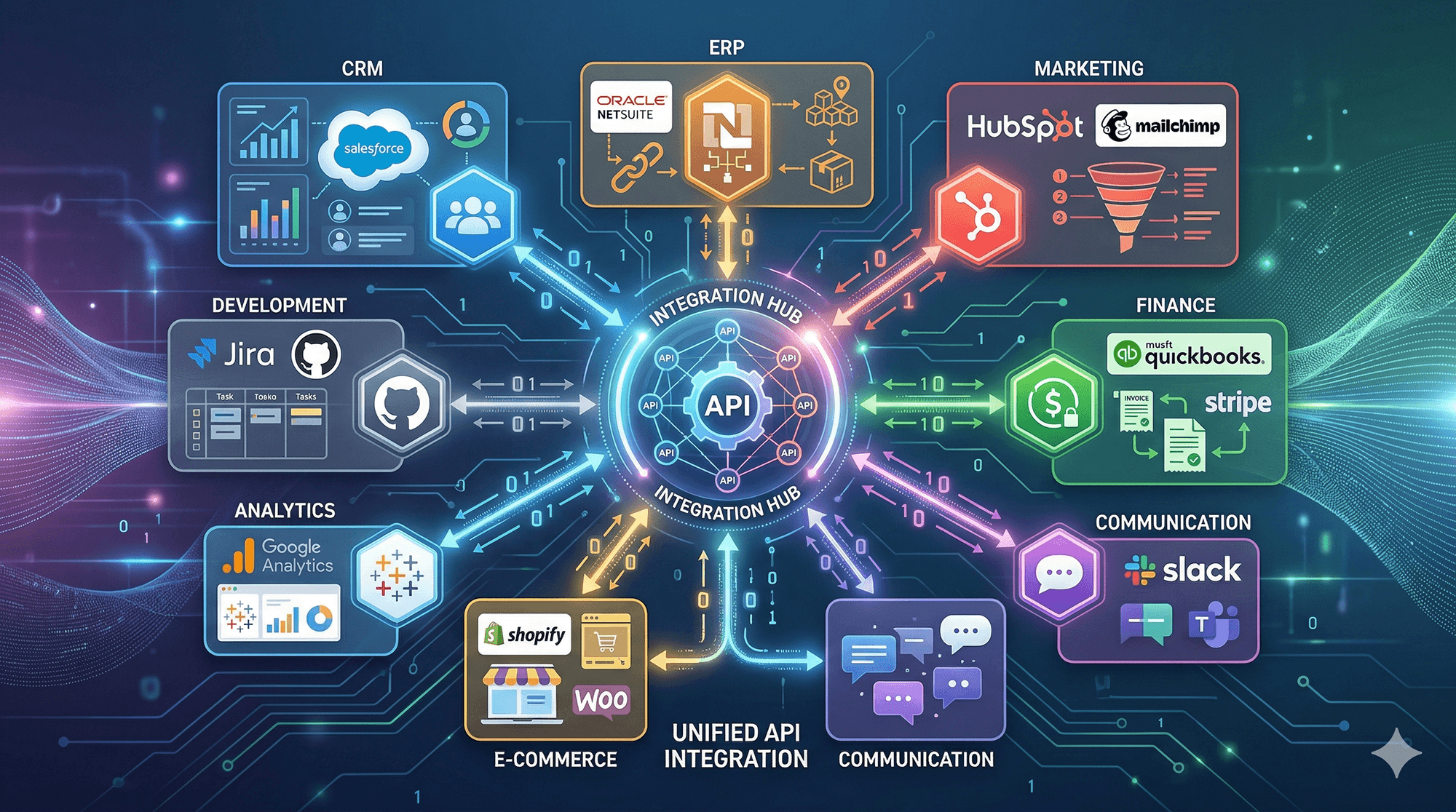
Adat-szinkronizáció: Az egyszer bevitt információ automatikusan eljut a CRM-be, ERP-be, könyvelésbe, projektmenedzsmentbe — API-integráción és middleware-orchestráción keresztül.
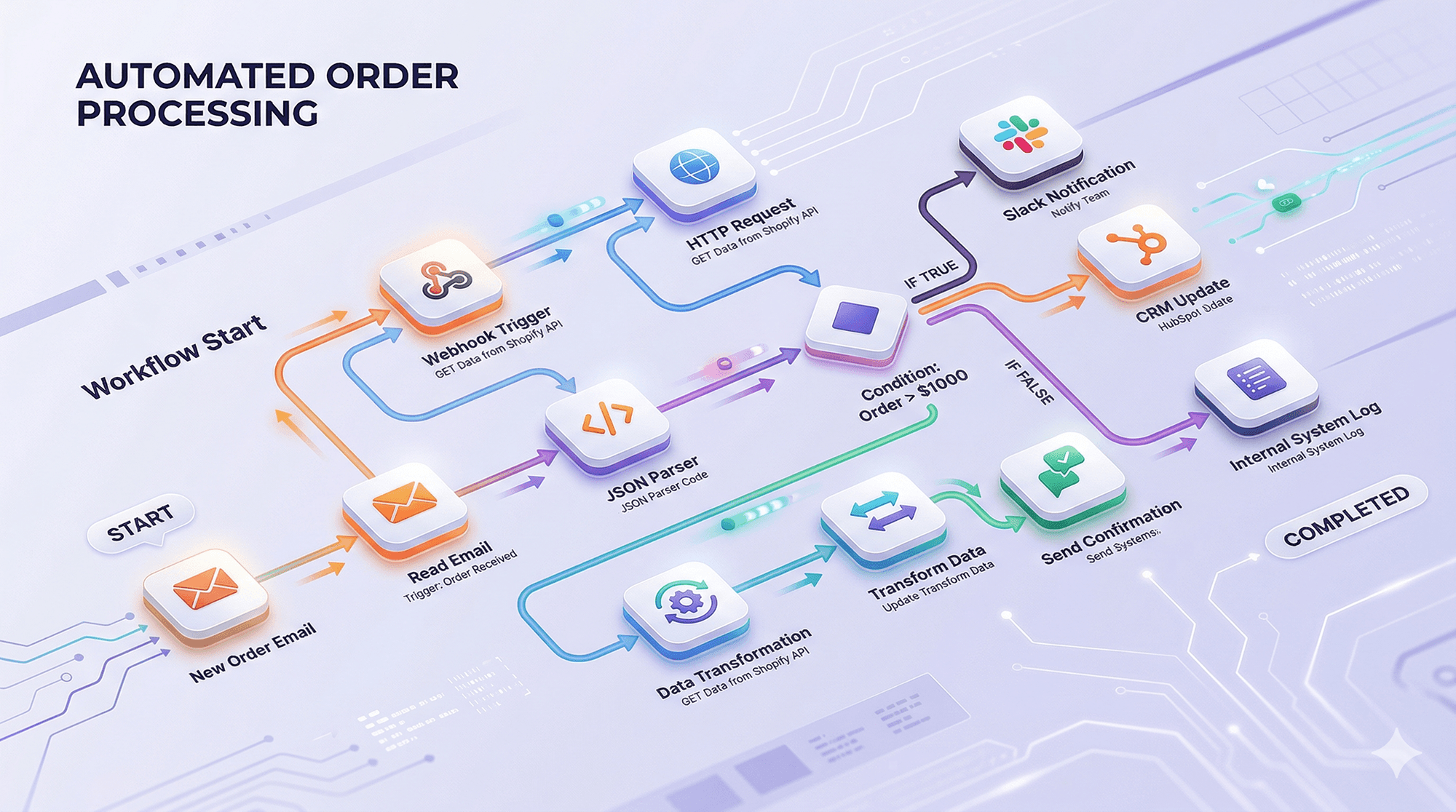
Okos jóváhagyás-irányítás: A kérelmek szabályok alapján automatikusan az illetékeshez kerülnek, eszkalációs triggerekkel, ha megakad. Nincs több inbox-dugó.
Automatikus riportgenerálás: Riportok élő adatforrásokból összeállítva, formázva és kézbesítve — menetrend szerint vagy specifikus események hatására.
Intelligens értesítések: Kontextus-érzékeny riasztások, amelyek a megfelelő embert a megfelelő időben értesítik a megfelelő prioritással. Nincs riasztás-fáradtság, nincs elmulasztott eszkaláció.
Eredmények a gyakorlatban
A helyzet: Egy 80 fős szolgáltató cég havi 200+ ügyfélkérést dolgoz fel. Minden kérés 6-8 manuális átadást igényel az osztályok között.
Előtte: Átlagos feldolgozási idő: 5 munkanap. Hibaarány: 12%. Két teljes munkaidős alkalmazott kizárólag adminisztratív koordinációval foglalkozik.
Utána: Az automatikus irányítás 1 munkanapra csökkenti a feldolgozást. A hibaarány 1% alá esik. Az adminisztratív koordinátorok ügyfélkapcsolati szerepbe kerülnek.
Miért a CommIT Smart?
Nem csak feladatokat automatizálunk — munkafolyamatokat tervezünk újra. Csapatunk 20+ automatizálási projektet szállított n8n, egyedi API-k és integrációs platformok használatával. Átlagos idő az első automatizált munkafolyamatig: 3 hét. Átlagos megtakarítás ügyfélnél: évi 2000+ óra.