
/

/

Team & Workforce Performance Measurement

You Know Your Team Is Busy. But Can You Prove They Are Productive?

Activity is not output. We build performance systems that unify project, code, and time tracking data — giving leaders clear visibility into team productivity without micromanagement.

The Problem

No objective way to measure individual or team productivity
Performance data scattered across JIRA, GitLab, Clockify
Managers rely on subjective impressions, not data

The Outcome

Unified dashboard combining all delivery and tracking tools
Data-driven insights into team velocity and efficiency
Managers coach for improvement instead of guessing blindly

/

/

Team & Workforce Performance Measurement

You Know Your Team Is Busy. But Can You Prove They Are Productive?

Activity is not output. We build performance systems that unify project, code, and time tracking data — giving leaders clear visibility into team productivity without micromanagement.

No objective way to measure individual or team productivity
Performance data scattered across JIRA, GitLab, Clockify
Managers rely on subjective impressions, not data
Unified dashboard combining all delivery and tracking tools
Data-driven insights into team velocity and efficiency
Managers coach for improvement instead of guessing blindly

/

/

Team & Workforce Performance Measurement

You Know Your Team Is Busy. But Can You Prove They Are Productive?

Activity is not output. We build performance systems that unify project, code, and time tracking data — giving leaders clear visibility into team productivity without micromanagement.

No objective way to measure individual or team productivity
Performance data scattered across JIRA, GitLab, Clockify
Managers rely on subjective impressions, not data
Unified dashboard combining all delivery and tracking tools
Data-driven insights into team velocity and efficiency
Managers coach for improvement instead of guessing blindly

/

/

Team & Workforce Performance Measurement

You Know Your Team Is Busy. But Can You Prove They Are Productive?

Activity is not output. We build performance systems that unify project, code, and time tracking data — giving leaders clear visibility into team productivity without micromanagement.

The Problem

No objective way to measure individual or team productivity
Performance data scattered across JIRA, GitLab, Clockify
Managers rely on subjective impressions, not data

The Outcome

Unified dashboard combining all delivery and tracking tools
Data-driven insights into team velocity and efficiency
Managers coach for improvement instead of guessing blindly

/

/

Team & Workforce Performance Measurement

You Know Your Team Is Busy. But Can You Prove They Are Productive?

Activity is not output. We build performance systems that unify project, code, and time tracking data — giving leaders clear visibility into team productivity without micromanagement.

The Problem

No objective way to measure individual or team productivity
Performance data scattered across JIRA, GitLab, Clockify
Managers rely on subjective impressions, not data

The Outcome

Unified dashboard combining all delivery and tracking tools
Data-driven insights into team velocity and efficiency
Managers coach for improvement instead of guessing blindly

Are you really interested about tis solution?

Dont waste your time for infinity loops with un intrested leads.

Why Traditional Performance Tracking Fails

The tools exist. The data exists. But the insight does not. Here is why:

  • Fragmented Data Silos: Development data lives in GitLab. Task tracking in JIRA. Time logging in Clockify. Resource allocation in spreadsheets. Each system tells a partial story. Nobody sees the full picture — so the developer who ships high-quality code efficiently looks identical to the one who logs the same hours but produces half the output with twice the bugs.

  • Activity vs. Outcome Confusion: Logging 50 hours does not mean delivering 50 hours of value. Closing 30 tickets does not matter if 25 were reopened. Without connecting inputs to outputs, you reward the appearance of work — and your actual top performers burn out while the metric-gamers get promoted.

  • The Subjectivity Trap: Without objective data, performance reviews become political. Managers reward visibility over value. The quiet developer who refactored the entire authentication module and prevented three security incidents gets a "meets expectations," while the loud one who delivered a flashy feature with technical debt gets "exceeds."

What Changes When You Measure Performance Objectively

  • Managers see velocity, quality, and efficiency metrics per team and individual — all in one view, updated daily. Performance conversations shift from opinions to evidence.

  • High performers become visible regardless of their communication style. Quiet contributors get recognized. Consistent underperformance gets addressed early, before it affects the entire team.

  • Bottlenecks are identified systemically, not anecdotally. When code review cycles spike in one team, you see it in the data before it shows up as a missed deadline.

  • Trend analysis reveals improvement or decline over time. You can prove that a process change worked — or didn't — with data, not narratives.

The CommIT Performance Intelligence Dashboard

Generic BI tools can pull data from APIs, but they cannot answer the question "is this team actually performing well?" That requires domain-specific logic: understanding what good looks like in software delivery, professional services, or operations. Our dashboards are built with this context embedded.

  • Multi-Source Integration: Automated pipelines pulling from GitLab, JIRA, Clockify, Azure DevOps, and any custom tracking system you use.

  • Velocity and Throughput Metrics: Measures of delivery speed, output predictability, and where bottlenecks form.

  • Quality Indicators: Bug rates, rework percentages, review cycle times — connecting delivery speed with output quality.

  • Trend Analysis: Performance tracked over time to identify improvement, stagnation, or decline — enabling proactive coaching.

Real-World Impact

The Situation: A software organization with 60+ developers across 8 teams struggles to compare performance objectively. The only metric is "on time or not."

Before: Subjective manager reviews. No visibility into code quality or true throughput. Top performers and underperformers indistinguishable in reports.

After: Unified dashboard surfaces velocity, quality, and efficiency per team. Two teams with systemic bottlenecks identified and coached. Delivery predictability improves by 35% within one quarter.

Why CommIT Smart?

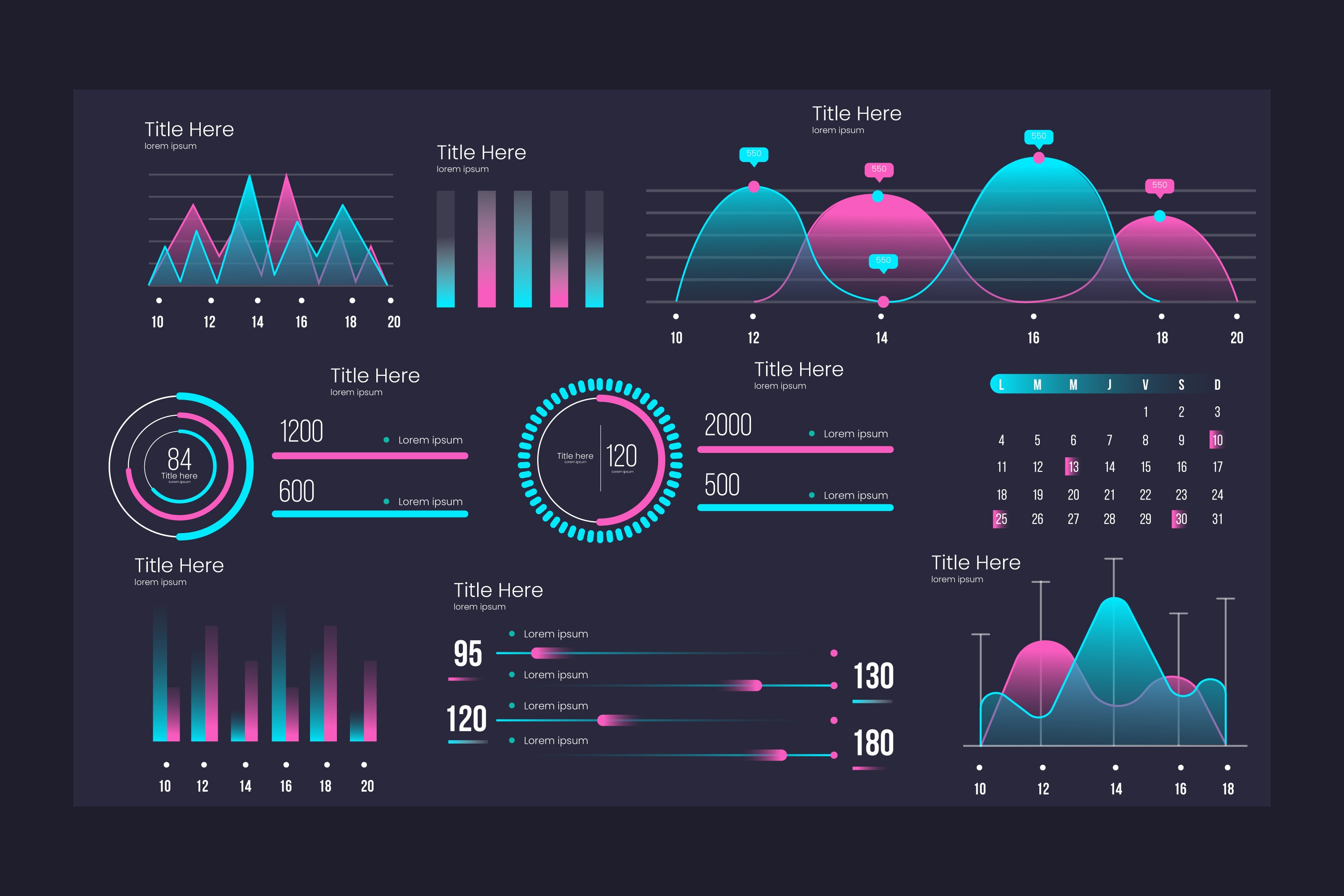
We built both the Performance Report and Developer Performance Dashboard — production systems unifying GitLab, JIRA, and Clockify data into actionable performance views. These are not BI demos — they are battle-tested dashboards running in real engineering organizations. We also use them internally to measure our own team's delivery quality.

Contact

See Your Team's Real Performance

Get a performance visibility assessment. We will show you what a unified view of your team data looks like.

Contact

See Your Team's Real Performance

Get a performance visibility assessment. We will show you what a unified view of your team data looks like.

Contact

See Your Team's Real Performance

Get a performance visibility assessment. We will show you what a unified view of your team data looks like.

Contact

See Your Team's Real Performance

Get a performance visibility assessment. We will show you what a unified view of your team data looks like.

PROOF

See How We've Done It Before

Real projects, real results. Explore our case studies to see how we solved similar challenges for our clients.

See Your Team's Real Performance

Tell us what tools your team uses and what performance questions you cannot answer. We will design the dashboard to fill those gaps.

Széchenyi Terv Plusz – Magyarország Kormánya – Európai Unió