/

/

Multi-Location Performance Reporting

15 Locations. 15 Different Reports. Zero Comparability.

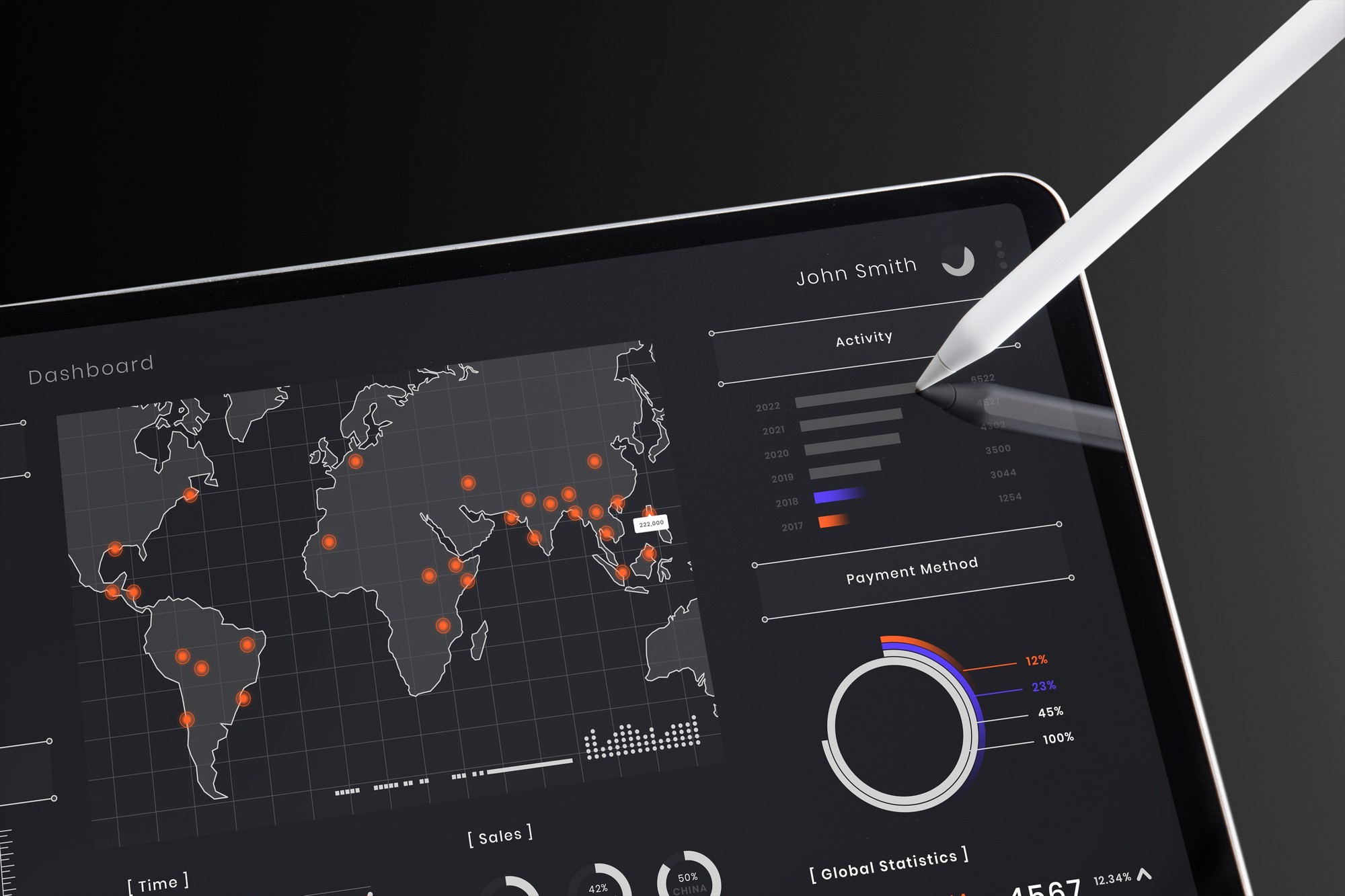
Every branch reports in its own format and frequency. HQ flies blind. We build centralized reporting that gives you a unified, comparable view across your entire network — in real time.

The Problem

Each location reports in its own format — no comparison
HQ has no real-time visibility into network performance
Underperformers hide in aggregate numbers for months

The Outcome

Standardized KPIs across all locations — comparable, real-time
Underperformers flagged instantly via automated benchmarking
Data-driven decisions on expansion and resource allocation

/

/

Multi-Location Performance Reporting

15 Locations. 15 Different Reports. Zero Comparability.

Every branch reports in its own format and frequency. HQ flies blind. We build centralized reporting that gives you a unified, comparable view across your entire network — in real time.

Each location reports in its own format — no comparison
HQ has no real-time visibility into network performance
Underperformers hide in aggregate numbers for months
Standardized KPIs across all locations — comparable, real-time
Underperformers flagged instantly via automated benchmarking
Data-driven decisions on expansion and resource allocation

/

/

Multi-Location Performance Reporting

15 Locations. 15 Different Reports. Zero Comparability.

Every branch reports in its own format and frequency. HQ flies blind. We build centralized reporting that gives you a unified, comparable view across your entire network — in real time.

Each location reports in its own format — no comparison
HQ has no real-time visibility into network performance
Underperformers hide in aggregate numbers for months
Standardized KPIs across all locations — comparable, real-time
Underperformers flagged instantly via automated benchmarking
Data-driven decisions on expansion and resource allocation

/

/

Multi-Location Performance Reporting

15 Locations. 15 Different Reports. Zero Comparability.

Every branch reports in its own format and frequency. HQ flies blind. We build centralized reporting that gives you a unified, comparable view across your entire network — in real time.

The Problem

Each location reports in its own format — no comparison
HQ has no real-time visibility into network performance
Underperformers hide in aggregate numbers for months

The Outcome

Standardized KPIs across all locations — comparable, real-time
Underperformers flagged instantly via automated benchmarking
Data-driven decisions on expansion and resource allocation

/

/

Multi-Location Performance Reporting

15 Locations. 15 Different Reports. Zero Comparability.

Every branch reports in its own format and frequency. HQ flies blind. We build centralized reporting that gives you a unified, comparable view across your entire network — in real time.

The Problem

Each location reports in its own format — no comparison
HQ has no real-time visibility into network performance
Underperformers hide in aggregate numbers for months

The Outcome

Standardized KPIs across all locations — comparable, real-time
Underperformers flagged instantly via automated benchmarking
Data-driven decisions on expansion and resource allocation

Are you really interested about tis solution?

Dont waste your time for infinity loops with un intrested leads.

The Multi-Location Visibility Crisis

Growth should make you stronger. But for many multi-location businesses, every new branch adds another blind spot:

  • Format Fragmentation: Location A sends a PDF monthly. Location B sends an Excel weekly. Location C calls the regional manager with verbal updates. There is no standardized data model — so every comparison requires manual translation. By the time your analyst finishes reconciling last month's numbers, this month is already half over.

  • Delayed Detection: When an underperforming location is buried in aggregate network numbers, it can take months to surface. A restaurant with declining customer throughput looks fine when averaged with the chain — but by the time headquarters notices, three staff members have quit and local reviews have tanked.

  • Inconsistent Standards: Without comparable metrics, quality standards are unenforceable. What counts as good performance in one location has no benchmark against another. Managers claim success by choosing their own metrics — and nobody can prove otherwise.

What Changes When You See Your Entire Network Clearly

  • Every location shows up on the same dashboard with the same KPIs calculated the same way. Performance comparison takes seconds, not weeks of manual reconciliation.

  • Underperformance triggers an automatic alert within 48 hours — not 6 months later in an annual review. You intervene while the problem is still fixable.

  • Best-performing locations become visible models. You can identify what they do differently and replicate it across the network systematically.

  • Expansion decisions are based on data: which regions perform best, which formats scale, and where the next location should open based on network-wide patterns.

The CommIT Network Intelligence Dashboard

Most BI tools can aggregate data — but they cannot normalize it across locations that use different systems, different definitions, and different reporting rhythms. Our approach starts with data standardization: making every location's data comparable before a single chart is drawn.

  • Data Standardization: Unified KPI framework across all locations, with connectors that normalize data from different local systems (POS, CRM, ERP) into a common format.

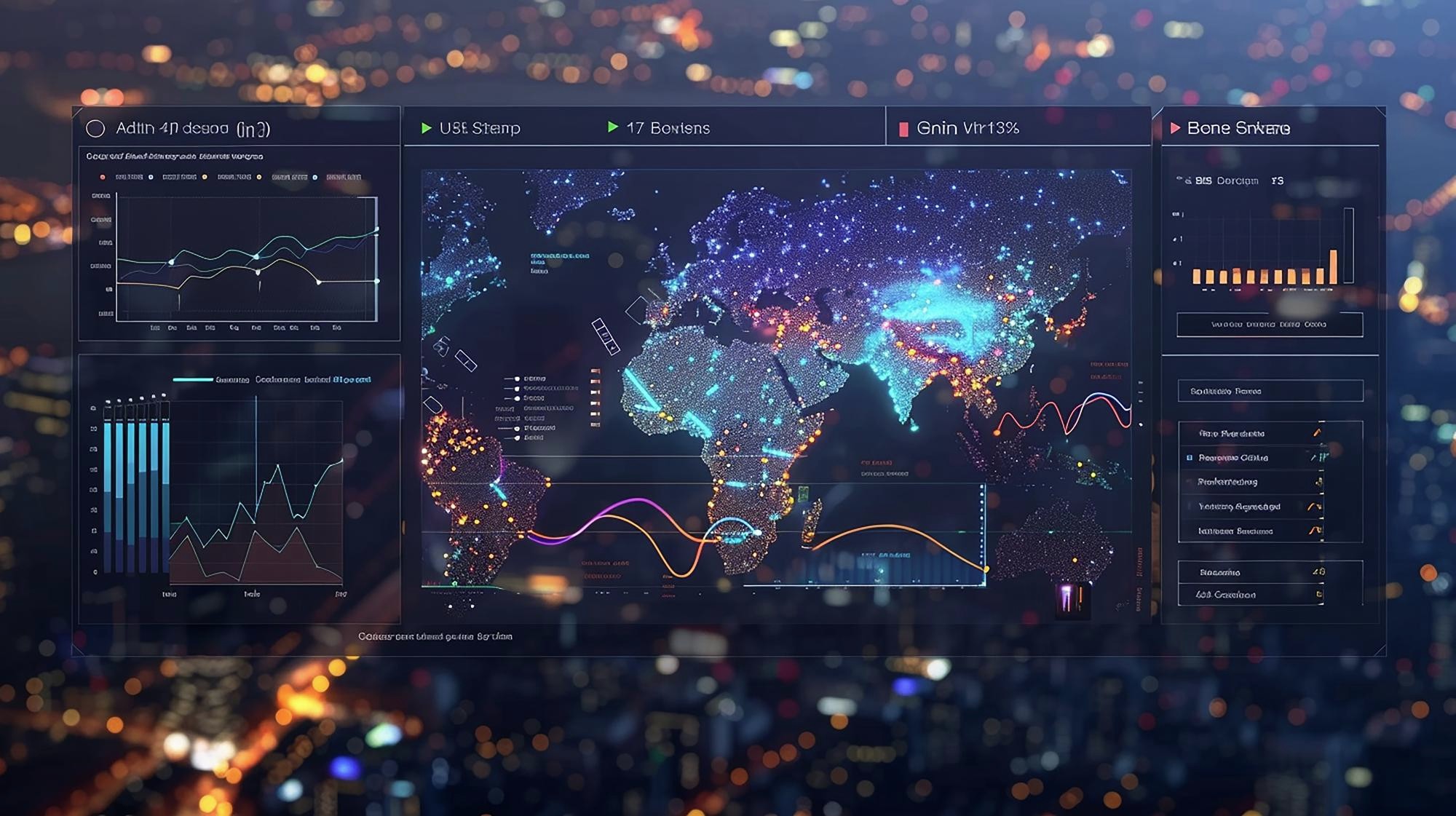
  • Network Dashboard: Centralized view showing all locations side by side with drill-down — from network overview to individual location detail.

  • Automated Benchmarking: Each location's performance compared against network averages, historical trends, and target thresholds.

  • Anomaly Alerts: Automatic notifications when any location deviates significantly from expected performance.
Real-World Impact

The Situation: A restaurant chain with 12 locations. Each uses a different POS configuration and sends monthly reports in different formats.

Before: Finance spends 2 weeks monthly consolidating reports. Comparisons are quarterly at best. Two underperforming locations go undetected for 6 months.

After: Real-time dashboard with standardized KPIs. Underperformance flagged within 48 hours. Network-wide food cost variance drops by 4 percentage points.

Why CommIT Smart?

We build reporting systems that handle real-world data complexity: multiple source systems, inconsistent formats, and the politics of standardizing metrics across autonomous units. Our dashboards are in production turning messy multi-source data into clear intelligence. Experience across retail, restaurant, and manufacturing networks.


Contact

See Your Entire Network in One View

Get a multi-location reporting assessment. We will show you how to standardize data and surface performance gaps.

Contact

See Your Entire Network in One View

Get a multi-location reporting assessment. We will show you how to standardize data and surface performance gaps.

Contact

See Your Entire Network in One View

Get a multi-location reporting assessment. We will show you how to standardize data and surface performance gaps.

Contact

See Your Entire Network in One View

Get a multi-location reporting assessment. We will show you how to standardize data and surface performance gaps.

PROOF

See How We've Done It Before

Real projects, real results. Explore our case studies to see how we solved similar challenges for our clients.

See Your Entire Network in One View

Tell us about your locations and the systems they use. We will design a unified view across your entire network.

Széchenyi Terv Plusz – Magyarország Kormánya – Európai Unió